Ruby spots, also called cherry angiomas or Campbell de Morgan spots, are small, bright red or purple bumps made of tiny clusters of blood vessels. They are very common, often appear from the thirties onwards and are harmless — but many people would rather not see them on the face, chest or body.
At the clinic they are treated with an Nd:YAG laser. A short, precise pulse targets the red colour in the spot, the tiny vessels inside it are sealed, and the spot fades over the following days and weeks.
Treatment is quick and priced per spot. Before treatment, each spot must look typical of a ruby spot: anything new, changing, bleeding or unusual should be checked by your GP first.
What happens after treatment
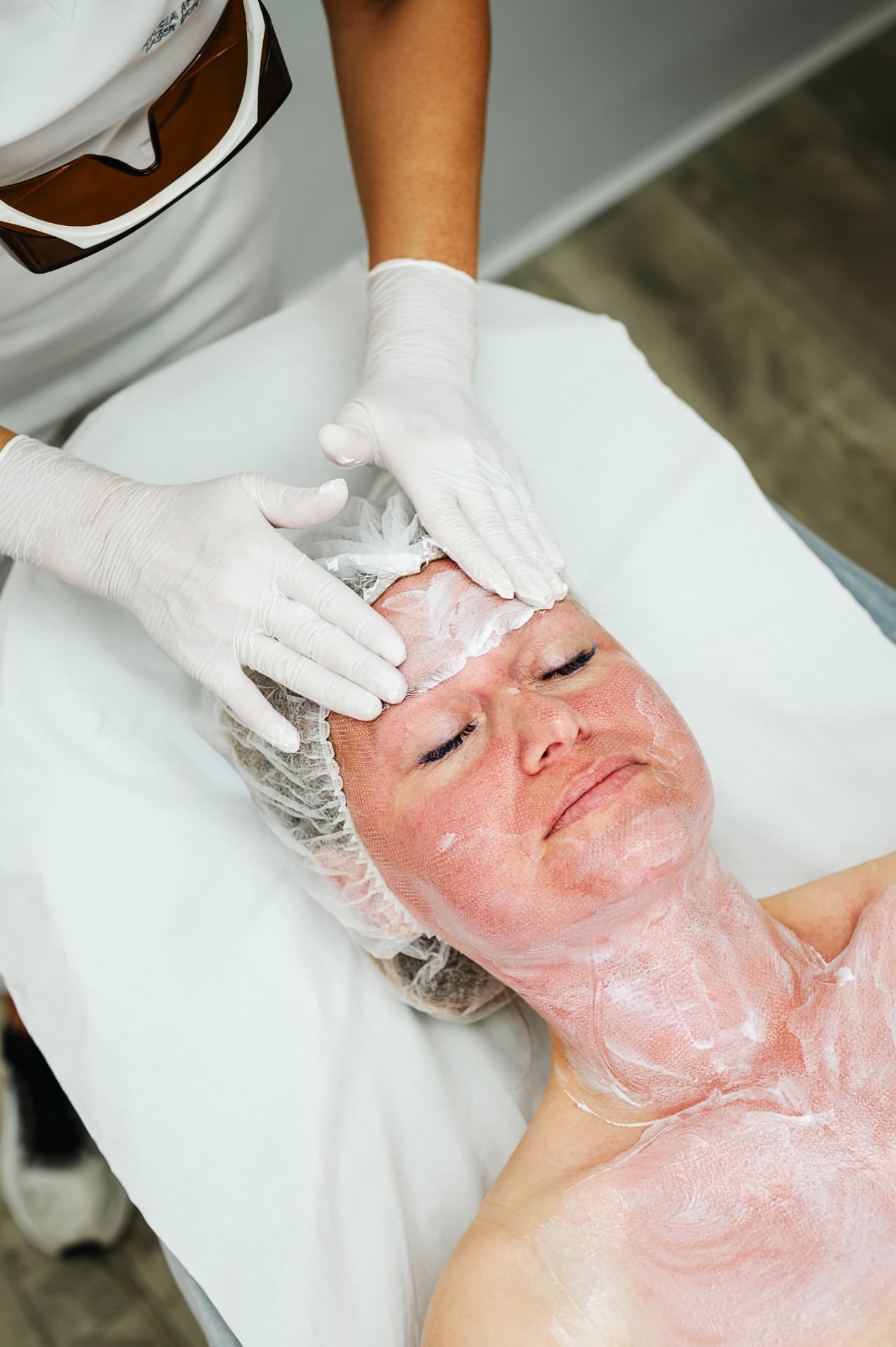
Straight after treatment, a spot may look darker or slightly raised, and the skin around it can be pink. Over the following days it usually darkens and fades, sometimes with a tiny crust that falls away naturally. Small spots often clear after one session; larger ones may need a second session.
Who carries out your treatment
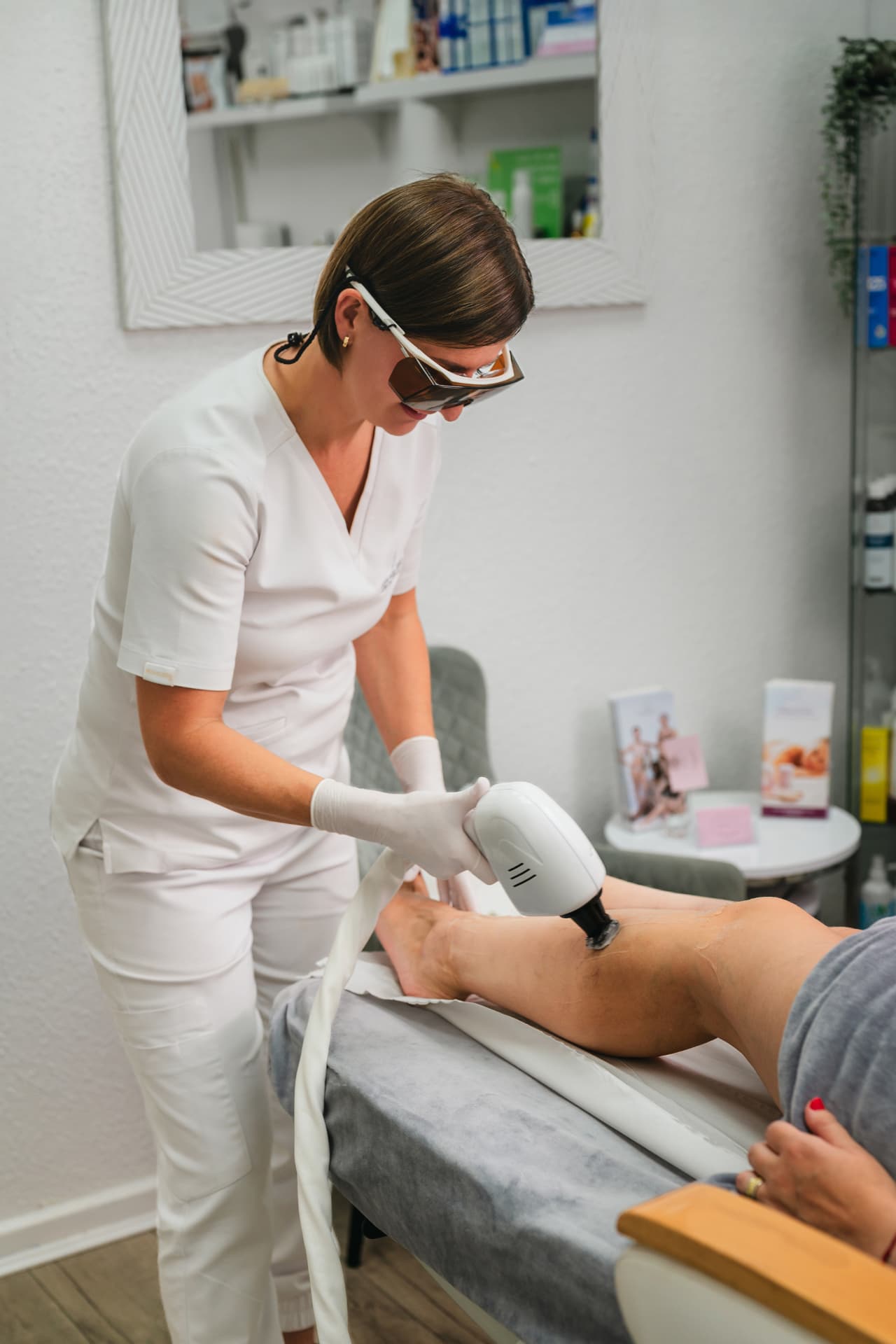
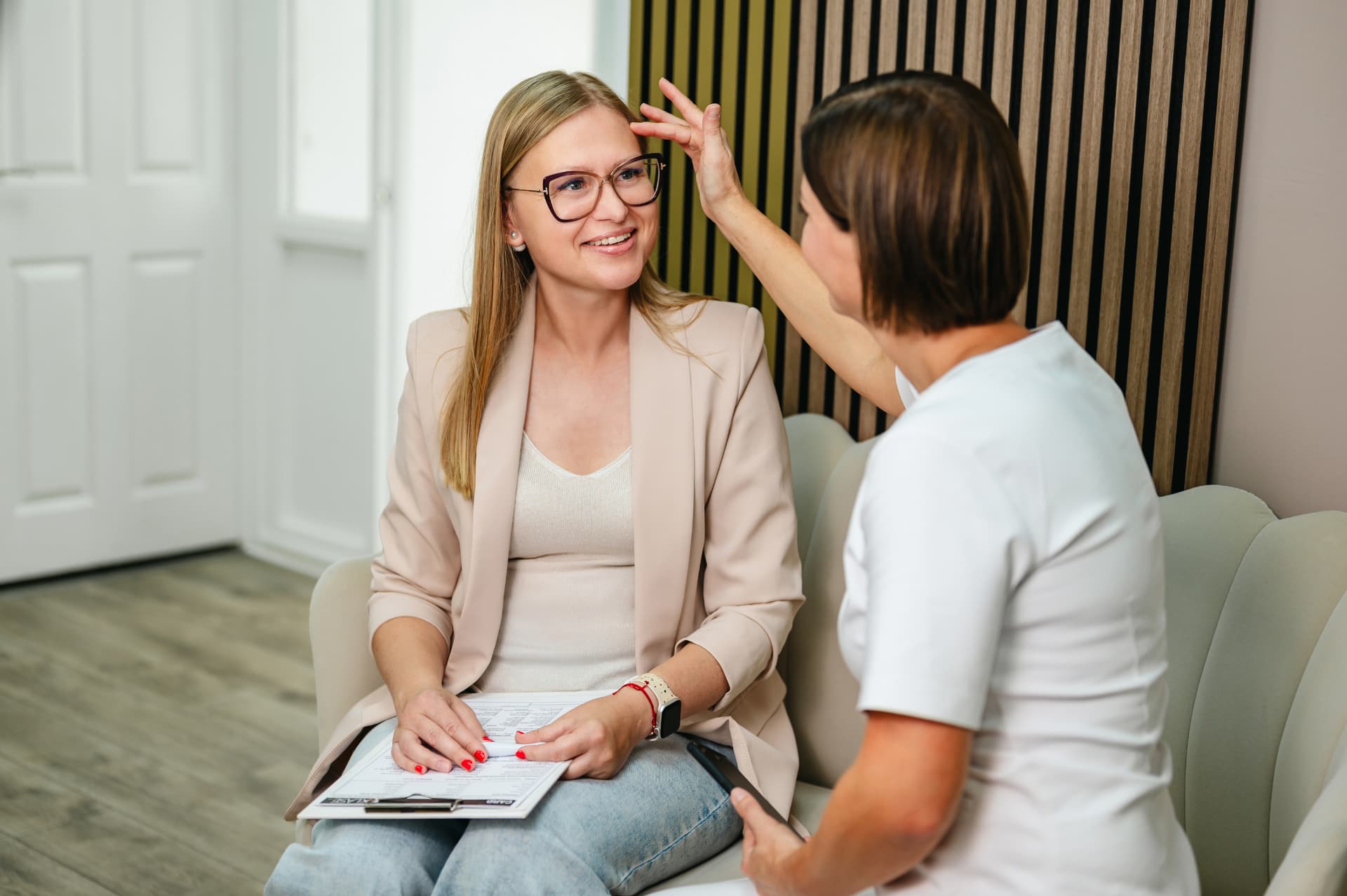
Laser and light treatments at the clinic are carried out by its specialist laser skin therapist, who works alongside Natalia in Corby. Every course starts with a consultation, a medical questionnaire and, where appropriate, a patch test, so that settings can be chosen for your skin type and the concern you want to work on.
If a treatment is not right for your skin, you will be told so and offered a safer alternative.
Listed on the clinic menu as: Nd:YAG small ruby spot removal.
What it may help with
- Small red ruby spots (cherry angiomas) on the face, chest and body
- Several spots treated in one visit, priced per spot
What happens during treatment
- 1.Consultation and assessment of each spot — anything unusual is referred to your GP
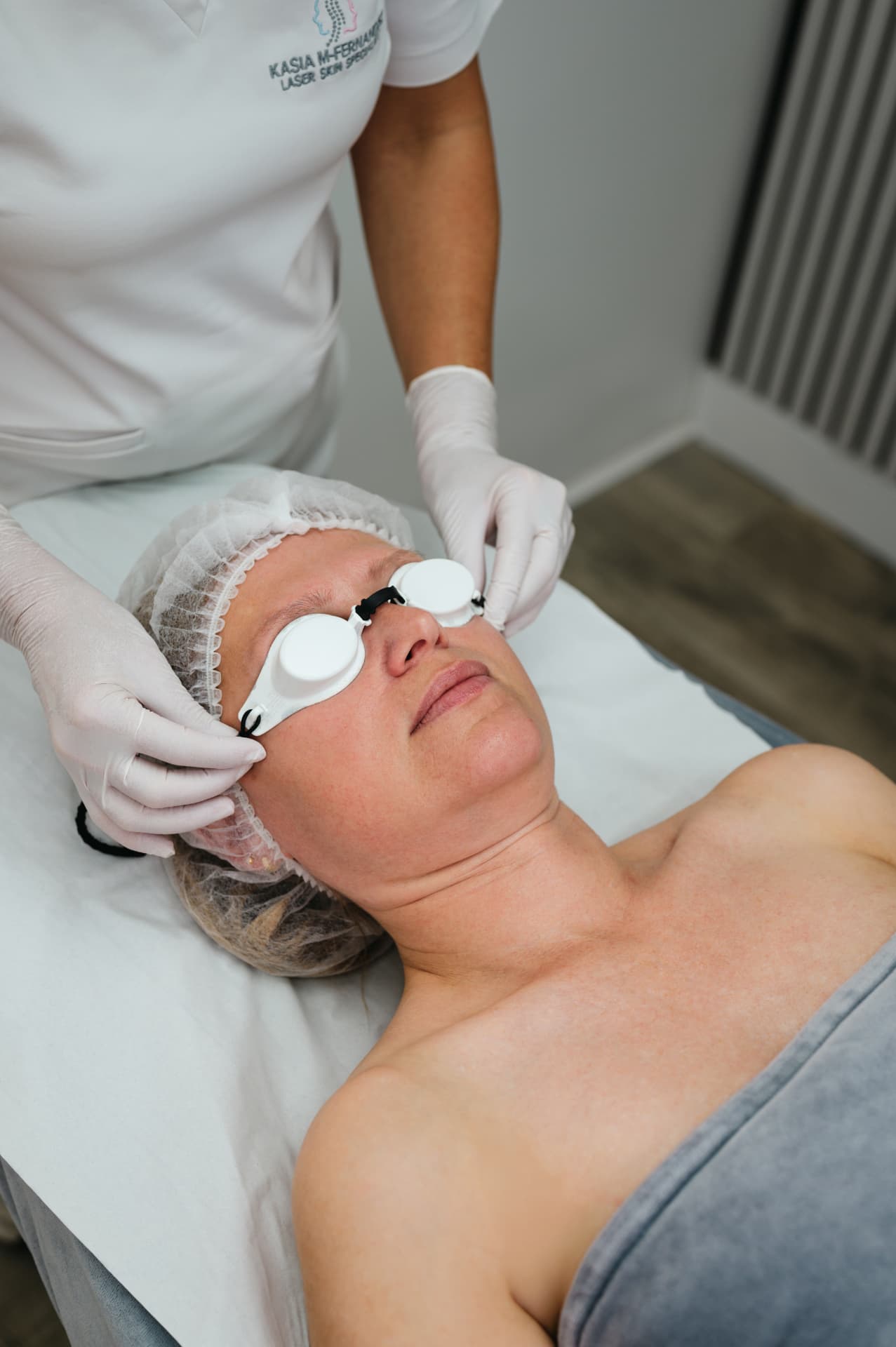
- 2.Cleanse and protective eyewear
- 3.A short laser pulse on each spot
- 4.Cooling and aftercare advice
Aftercare
- Temporary redness, a slight bump or bruising may appear and settle over a few days
- Do not pick any tiny crust; let it fall away naturally
- Avoid hot baths, saunas and strenuous exercise for 24–48 hours
- Avoid sunbeds and strong sun exposure, and wear a broad-spectrum SPF 30–50 daily.
Who should not have this treatment
This list is not exhaustive. Please share your full medical history and medication at consultation; you may be asked for GP clearance.
- Pregnancy
- Recent tanning, sunbed use or fake tan in the area
- Photosensitising medication (please list all medication at consultation)
- History of keloid scarring
- Epilepsy triggered by light
- Active skin infection, eczema or open wounds in the area
- Any spot that is new, changing, bleeding, irregular or of uncertain diagnosis — please see your GP first
- Moles
Results and expectations
Every skin is different. Results vary between individuals and are not guaranteed. Natalia will explain what is realistic for you, how many sessions might be advisable and any risks before you go ahead.