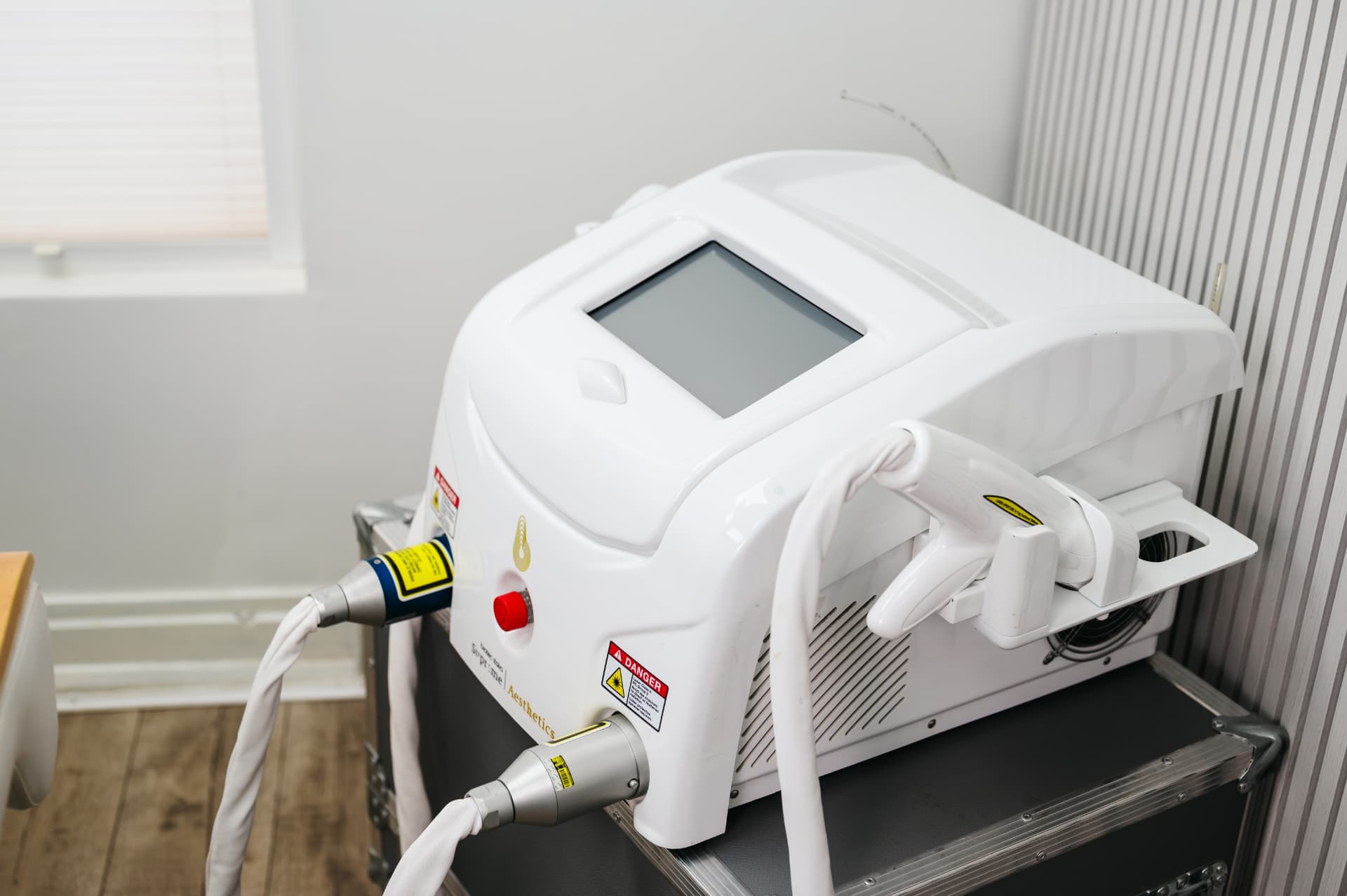
Laser tattoo removal uses a Q-switched laser, which fires extremely short, high-energy pulses of light. The ink in the skin absorbs the energy and breaks into smaller particles, which the body's immune system then clears gradually over the following weeks.
It is used to fade a tattoo completely or to lighten it before a cover-up. How well a tattoo responds depends on the ink colour, depth and density, its age, where it is on the body and how your body clears pigment. Black and dark blue inks usually respond best; some colours fade slowly, and a few may not clear fully.
Removal is a process rather than a single visit. You will be given a realistic estimate at your consultation and patch test — complete removal cannot be promised.
How many sessions?
Most tattoos need several sessions, often spaced six to eight weeks apart or more, so that the skin can heal and the body can clear the ink between visits. Professional tattoos with dense ink usually need more sessions than older, faded or amateur tattoos.
Fading continues between sessions, so patience is part of the process.
Cosmetic tattoos and permanent make-up
Brow permanent make-up has its own treatment and price on the clinic menu — see PMU laser removal. Some cosmetic inks, particularly white, flesh-toned or light pigments, can darken when treated with a laser, so they are always patch tested first.
Who carries out your treatment
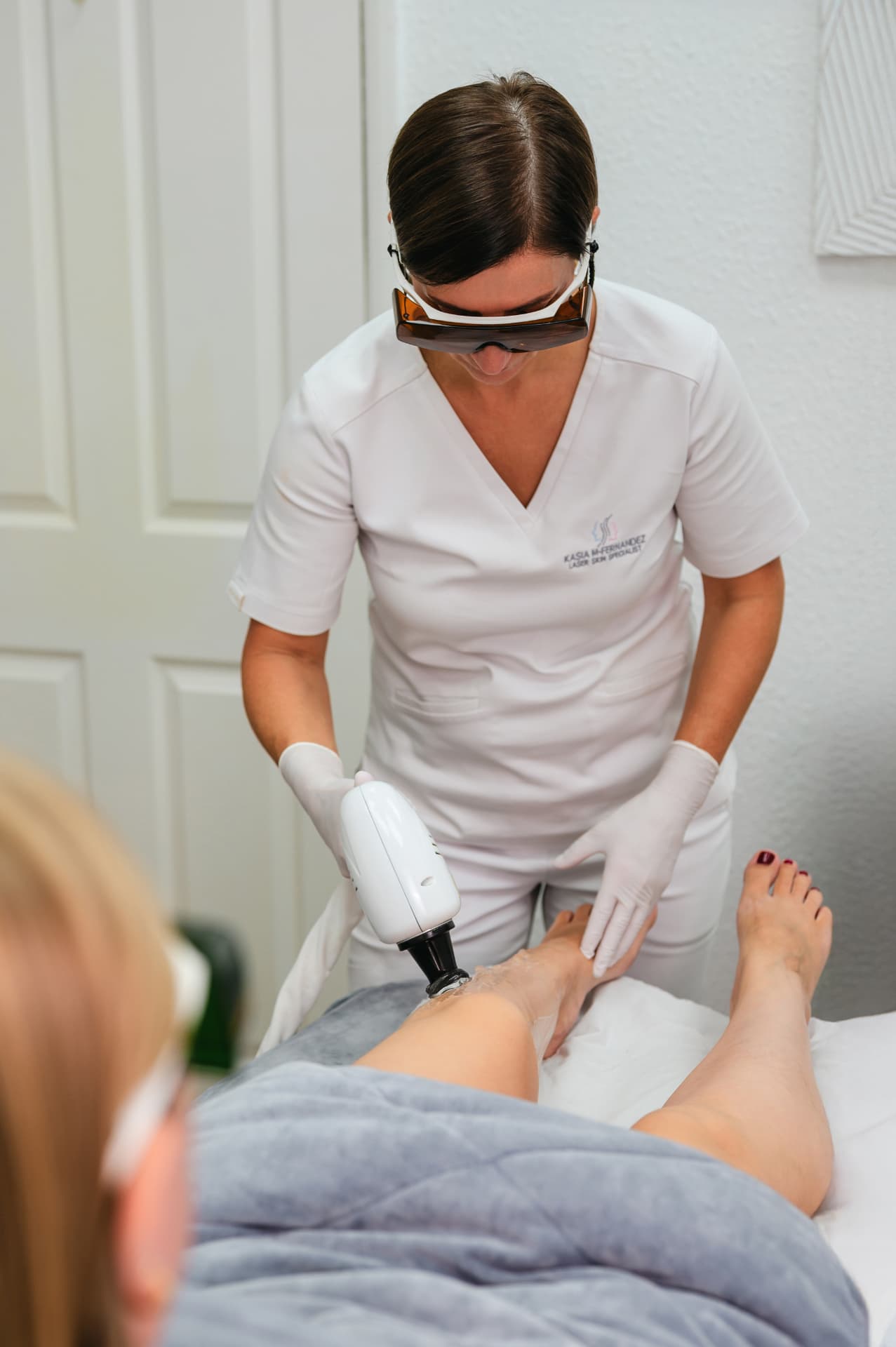
Laser and light treatments at the clinic are carried out by its specialist laser skin therapist, who works alongside Natalia in Corby. Every course starts with a consultation, a medical questionnaire and, where appropriate, a patch test, so that settings can be chosen for your skin type and the concern you want to work on.
If a treatment is not right for your skin, you will be told so and offered a safer alternative.
Listed on the clinic menu as: Q-switched tattoo removal.
What it may help with
- Fading an unwanted tattoo
- Lightening a tattoo before a cover-up
- Older, faded or amateur tattoos
What happens during treatment
- 1.Consultation, photographs and patch test
- 2.Cleanse and protective eyewear
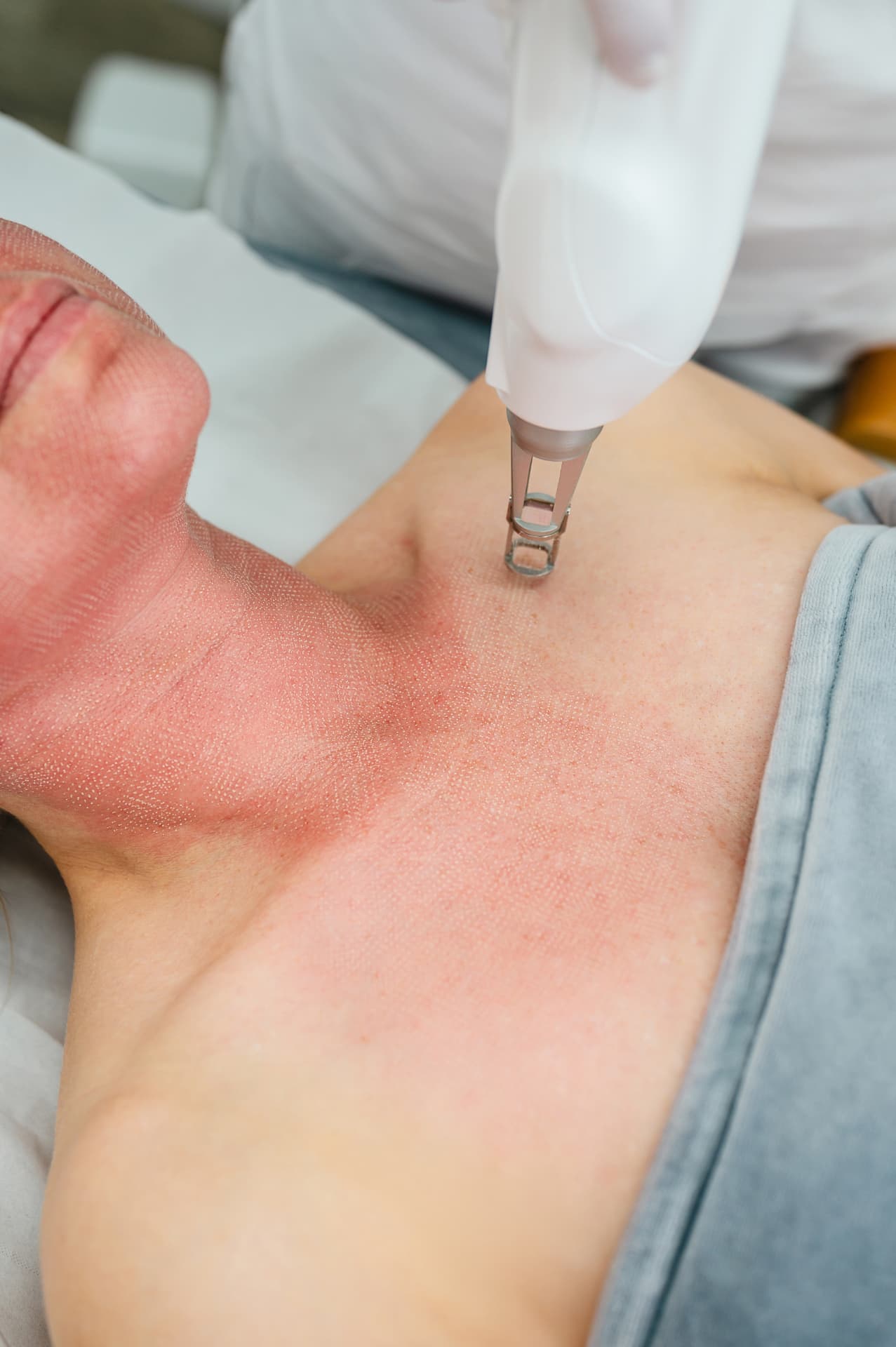
- 3.Q-switched laser pulses across the tattoo — often described as a hot snap
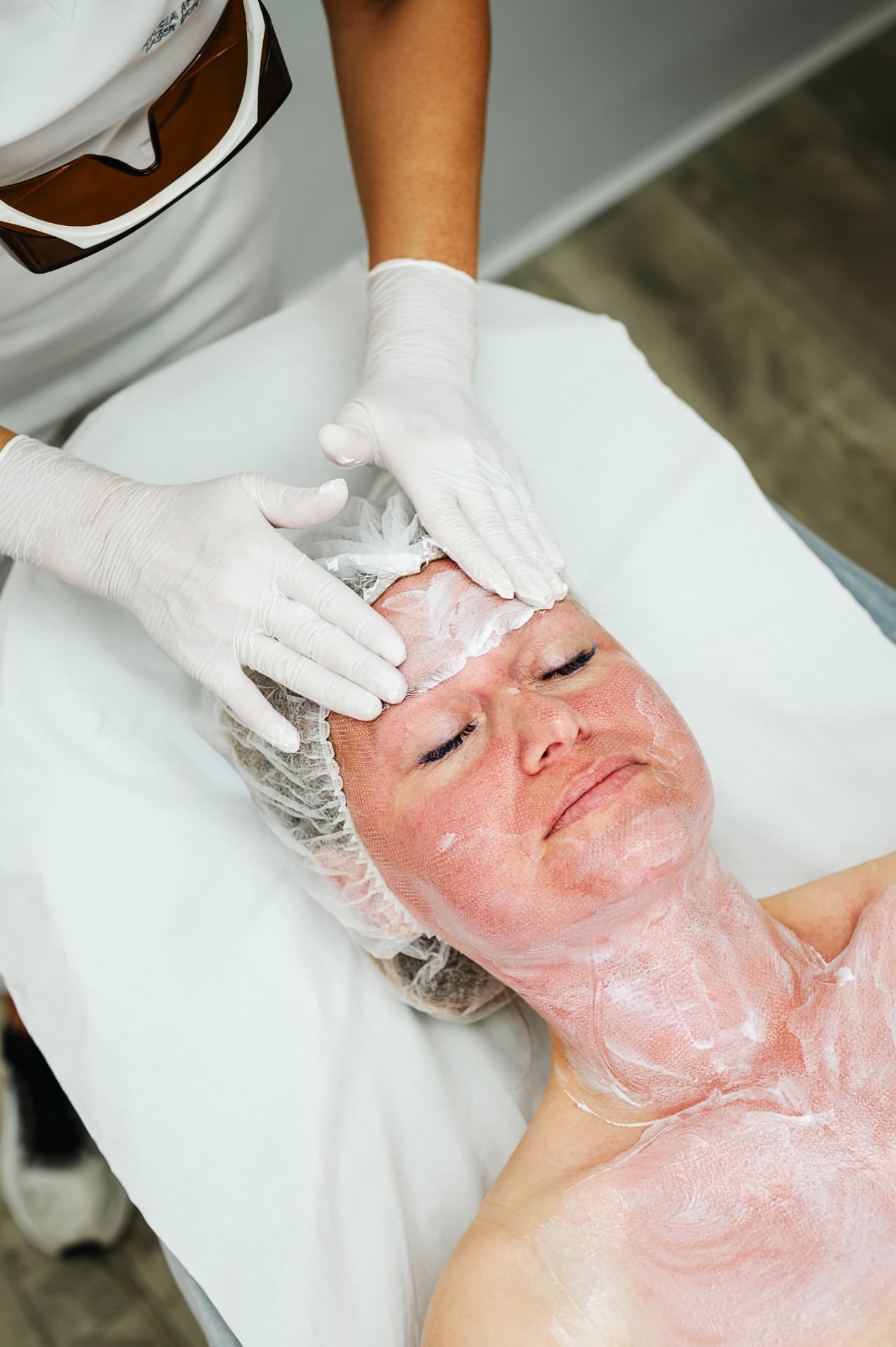
- 4.Cooling, a protective dressing and aftercare instructions
Aftercare
- A white 'frosted' look, redness and swelling are normal straight after and usually settle within hours
- Blisters or pinpoint crusting can appear — do not pick or burst them; keep the area clean and dry
- Avoid swimming, saunas and hot baths until the skin has healed
- Keep the area covered and out of the sun; use SPF 50 once healed
- Contact the clinic if you notice any signs of infection
Who should not have this treatment
This list is not exhaustive. Please share your full medical history and medication at consultation; you may be asked for GP clearance.
- Pregnancy
- Recent tanning, sunbed use or fake tan in the area
- Photosensitising medication (please list all medication at consultation)
- History of keloid scarring
- Epilepsy triggered by light
- Active skin infection, eczema or open wounds in the area
- A tattoo less than eight weeks old
- Gold injection therapy, now or in the past
Results and expectations
Every skin is different. Results vary between individuals and are not guaranteed. Natalia will explain what is realistic for you, how many sessions might be advisable and any risks before you go ahead.