
Journal · by Natalia Dascaliuc
How Many Laser Hair Removal Sessions Will I Need?
Why laser hair removal needs a course, what affects the number of sessions and how to plan your treatment in Corby.
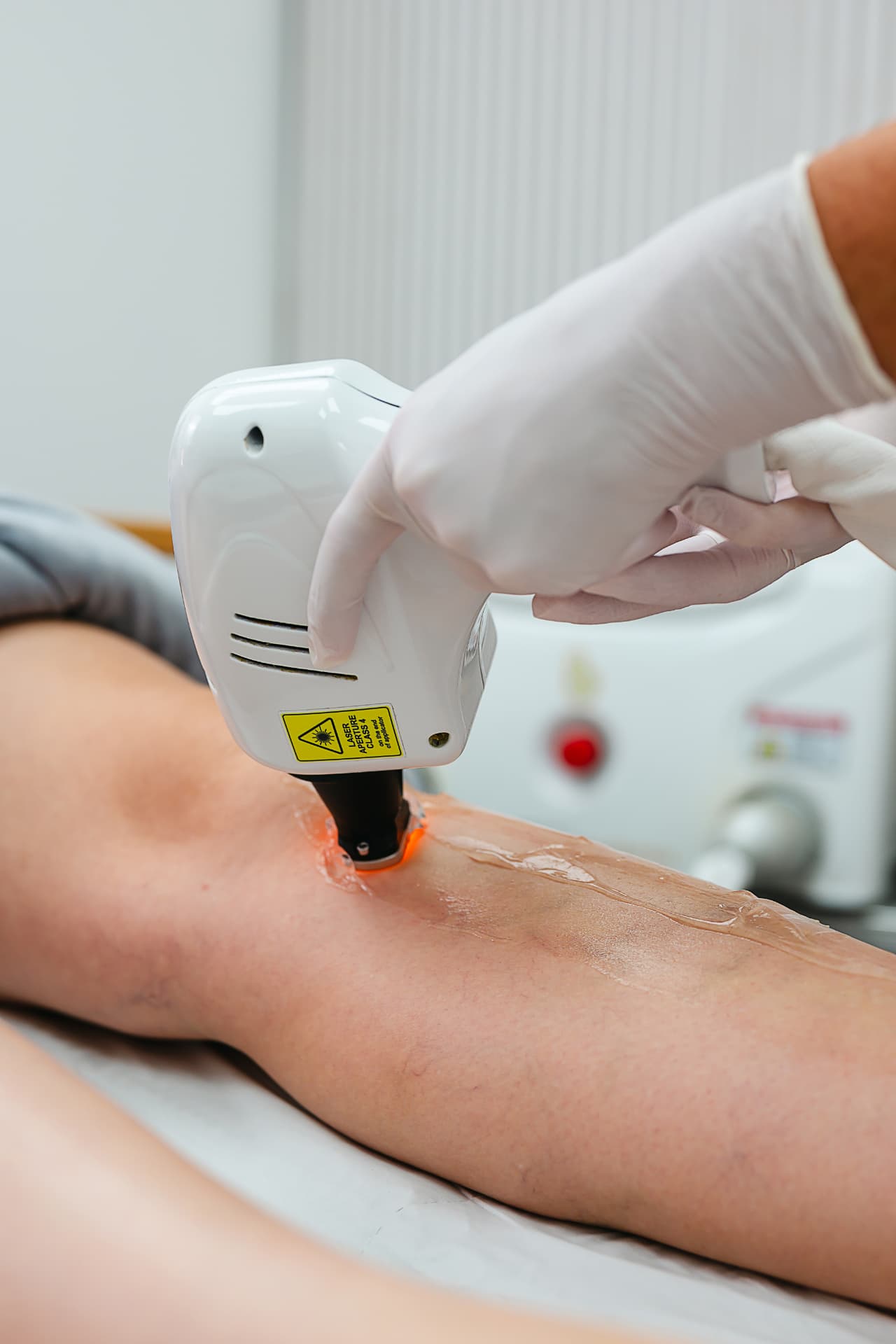
Why one session is never enough
Hair grows in three phases: anagen (active growth), catagen (transition) and telogen (resting). Laser energy is absorbed by pigment in the hair and travels to the follicle — but it can only meaningfully affect follicles in the anagen phase, when the hair is still attached to its root.
At any moment only a proportion of hairs in an area are in that active phase. Each session therefore treats a different 'batch' of follicles, and sessions are spaced to catch the next wave of growth.
A typical range
Many people need around six to eight sessions for a good reduction, but the honest answer is that it varies. Some areas, such as underarms, often respond quickly; hormonally influenced areas like the chin and upper lip may need more sessions and ongoing maintenance.
What affects your number
Several factors shape your plan:
- Hair colour — dark hair responds best; blonde, grey, white and red hair often respond poorly
- Skin tone — settings must be adjusted for safety on deeper skin tones
- Hormones — PCOS, menopause and some medications can drive new growth
- Consistency — missing sessions or waxing between them slows progress
Spacing between sessions
Face areas are often treated every four to six weeks, body areas every six to ten weeks. Natalia will set intervals for each area at your consultation and adjust them as hair thins out.
Setting realistic expectations
Laser hair removal is best thought of as long-term hair reduction. Many clients are delighted with how little hair remains, but fine regrowth over time is normal and occasional top-ups are common. Any clinic promising guaranteed permanent removal for everyone is overpromising.
Your first step
Book a consultation and patch test. You will discuss your medical history, medication and goals, and leave with a realistic plan for your hair and skin.
This article is general information, not medical advice. Results vary between individuals and are not guaranteed.