
Journal · by Natalia Dascaliuc
Chemical Peel vs Microdermabrasion: Which Is Right for You?
Comparing chemical peels and microdermabrasion for dullness, texture and pigmentation — and how to choose.
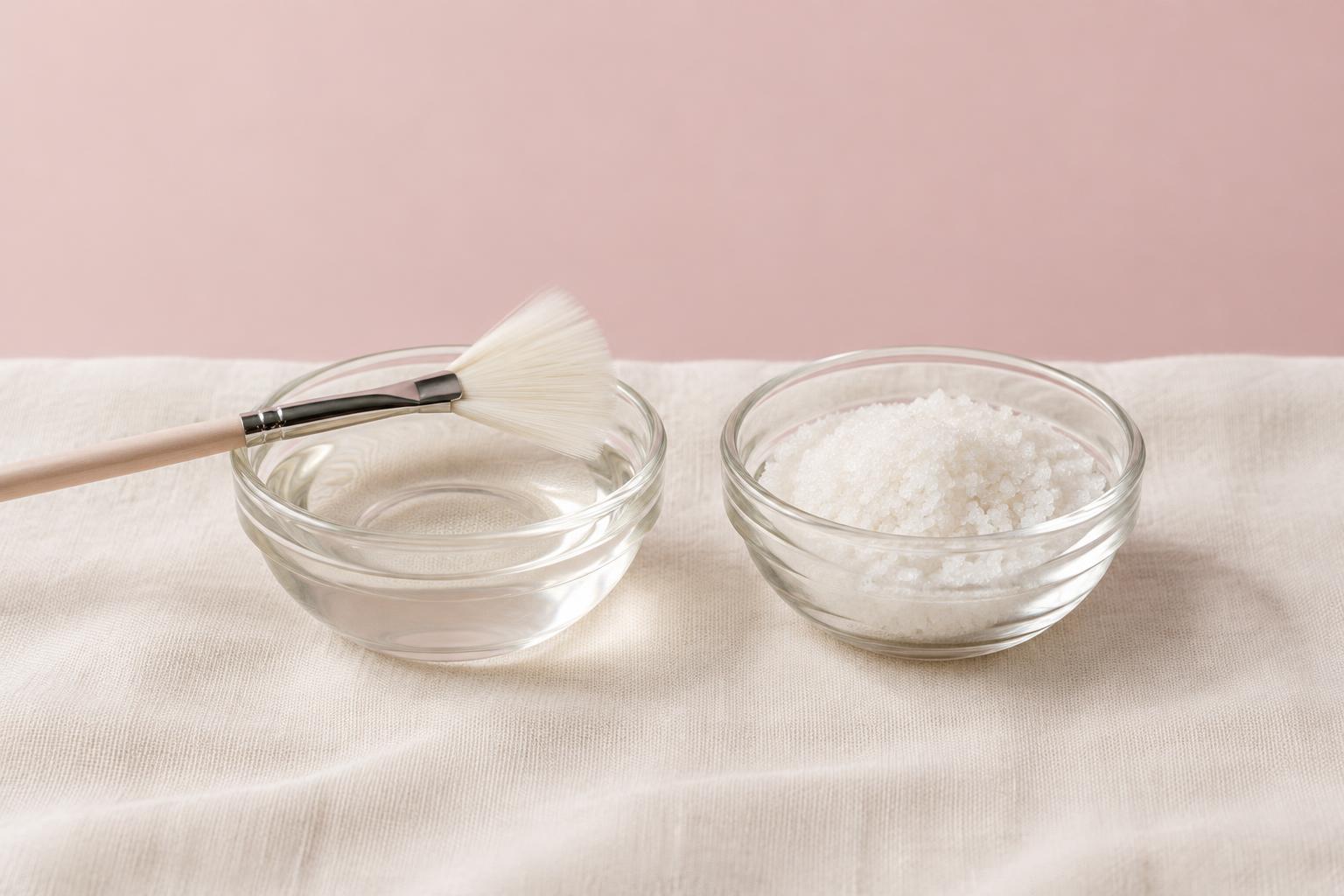
Two ways to exfoliate
Both treatments remove dead skin cells, but in different ways. Microdermabrasion is mechanical: a tip physically buffs the surface. Chemical peels are chemical: acids dissolve the bonds between cells, and can reach deeper depending on the peel.
When microdermabrasion makes sense
It is a good choice for mild dullness and surface roughness, for people who want no downtime, and as a gentle introduction to professional skincare.
When a peel may help more
Peels can be chosen to target specific concerns: salicylic acid for congestion, lactic or mandelic acid for sensitive or dry skin, and stronger formulations for pigmentation or texture. They are more versatile, but need more careful preparation and aftercare.
Pigmentation and darker skin tones
Some deeper treatments carry a risk of post-inflammatory pigmentation, particularly on deeper skin tones. A gentle, well-chosen approach is safer than aggressive treatment. This is a key reason consultation matters.
Can you combine them?
Often, yes — but not on the same day without guidance. A plan might alternate treatments over several months.
This article is general information, not medical advice. Results vary between individuals and are not guaranteed.